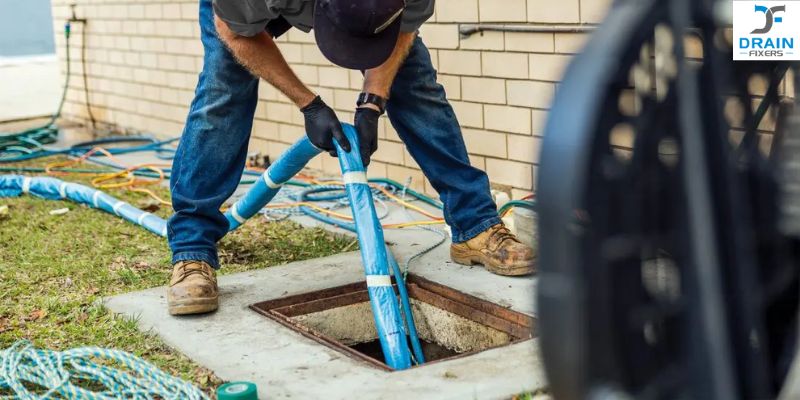
Pipe relining is now one of the most reliable ways to restore damaged drains. Instead of turning your garden or driveway into a construction site, you can simply opt for a non-invasive, trenchless relining of your existing pipes. It’s fast and affordable, and solves all sorts of leaks and cracks without the stress or cost of full digs and pipe replacements.
This guide is a deep dive into pipe relining — why it’s a great choice for drain repairs, how it works, and what sort of price you’ll have to pay in Melbourne.
Why choose pipe relining services?
With sewer pipe relining, all the repairs and upgrades are made to the existing pipe, without having to remove anything. This offers multiple benefits for a home or business owner.
1. Less disruption and mess
Traditional dig-up repairs are, by nature, invasive and involve heavy machinery being planted on your lawn, huge trenches stretching across your yard, and days (maybe even weeks) of disruption. It’s a lot of upheaval that can take its toll on any homeowner.
There are none of these disturbances with pipe relining. A drain specialist can come in and, on the same day, re-line an entire section of people through one or two easy access points. That means no soil is tilled, no pavements are broken, and there’s no need for big rebuilding projects afterwards.
Other benefits include:
- No damage to landscaping or outdoor structures
- Driveways and concrete remain untouched
- Faster repairs and turnaround, even for long sections of pipe
For older homes with fragile structures and prized outdoor spaces, the trenchless pipe relining method is one of the biggest selling points.
2. Stronger pipes that last for decades
Pipe relining isn’t just a temporary fix. The materials used in pipe relining Melbourne services, such as epoxy resin liners, are designed to last for generations. Many are rated for 50 years or more when installed by a professional.
The internal layer, which acts as a ‘pipe within a pipe’ to create an incredibly strong structure, is resistant to:
- Corrosion
- Cracks from soil movement
- Root intrusion
- Internal wear caused by high water flow
3. Faster and more affordable than a full replacement
Less disruption also has another advantage: more affordable pipe relining services. Because there isn’t any excavation or heavy machinery (plus all the labour that goes with it), you’re likely to get much cheaper quotes.
Most relining jobs can also be completed within a day or two, even if there are multiple pipe sections. Because the process is faster and requires fewer materials, the overall cost is much lower compared to a full replacement. This is especially true for longer or hard-to-reach drains.
Homeowners save money on:
- Labour hours
- Machinery hire
- Disposal costs
- Landscaping repairs
Businesses also benefit from the smoother, cheaper pipe relining process, and the speed of repairs translates to far less downtime.
4. Works in tight spots
If your pipes run under spaces that are difficult to access — deep beneath buildings or mature trees, digging everything up is a really time-consuming and expensive endeavour. You might even need to consent and approval from others.
There are no such worries with pipe relining.
Technicians just need a small entry point to get to work. This makes it ideal for:
- Narrow side access areas
- Commercial properties with high footfall
- Homes with lots of paving
- Multi-storey buildings and complexes
The pros at Drain Fixers can navigate the tightest of bends and junctions, and restore pretty much any drain network without excavation.
How much does pipe relining cost?
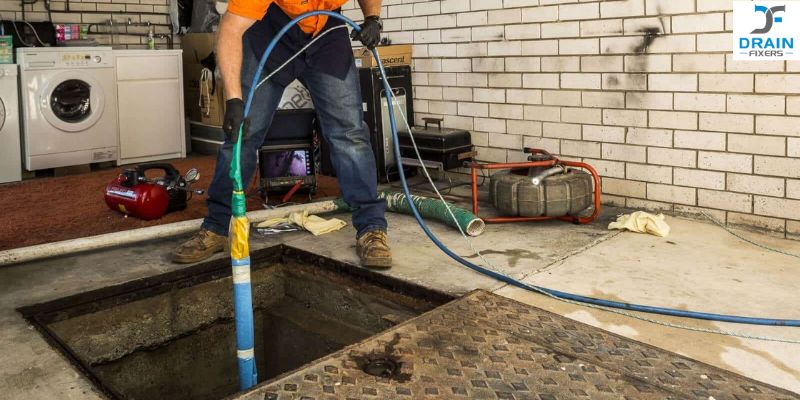
Prices for pipe relining vary depending on the condition of the existing pipes and the length of materials required for the repair. As a rough guide in Melbourne, you can expect to pay:
- $400 to $550 per metre for residential sewer or stormwater relining
- Around $800 for junction reinstatements
- Between $2,000 to $2,500 for an inspection and the costs of labour and setting up the site
While these fees are not ‘pocket change’, relining is consistently much cheaper than a full pipe replacement with an excavation. And that’s before costs for re-tiling soil and landscaping after the project are factored in.
When might pipe relining be unsuitable?
Pipe relining is an excellent option for drain repairs, but there are times when it might not be suitable straight away. For example:
- Severely blocked drains – if you’ve got a bad blockage, it’s best to use hydro jets to clear the way first before starting the relining process
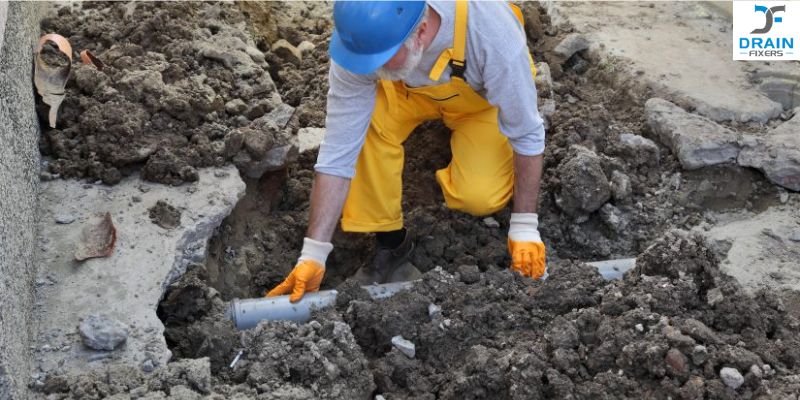
- Broken pipes – if tree roots or other issues have created big holes and heavy damage, removing and replacing the entire pipe is likely to be the best course of action.
How does pipe relining work?
The specialists at Drain Fixers follow a set installation process for most pipe relining jobs. First, there’s an inspection and deep clean, then the damaged sections are repaired with relining. Let’s look at the process in more detail.
1. CCTV inspection
Drain relining starts with an inspection using high-tech CCTV cameras, which are fed into the drain to get a clear view of your plumbing system. The pros above ground get all the footage relayed on a monitor, helping them to identify:
- Cracks
- Leaks
- Blockages
- Root intrusion
- General condition of pipes
The clear visuals also let them size up your pipe and measure the exact length and diameter of the section that needs relining.
2. Cleaning and prep
Once the issue has been properly diagnosed and a targeted solution identified, it’s time for a deep clean. Technicians wield high-pressure hydro jets, blasting water to remove everything from pipes, including sludge, grease, debris, and tree roots. Clearing the way fully is important as a fresh surface is required for the liner to bond properly with the pipe.
3. Preparing the liner and bladder
After rechecking the full measurements of the pipe, the technician will create:
- A custom-cut liner
- An inflated bladder
Both of these are measured to fit the unique bends and junctions of your pipework. This is the sort of advanced skill set that only certified plumbers can offer.
4. Installing the liner
Now it’s time to coat the liner with resin and thread it into the pipe through an existing access opening. Then comes the clever bit — they inflate a bladder inside the bladder, so it presses snugly against the pipe walls and starts to cure and turn into a tough new surface.
5. CCTV confirmation
The final step after the curing has hardened is to remove the bladder and make a final camera inspection to make sure everything is sealed and working as intended. The new pipe is ready to use within hours after installation.
Pipe relining in Melbourne with Drain Fixers
Pipe relining is a long-lasting, affordable remedy that doesn’t involve tearing up your property and committing to a costly full pipe overhaul. Once the lining cures, the pipe is actually stronger than before, and far better equipped to handle everything you throw at it, for years to come. It’s a smart, practical plumbing fix.
If you’ve been struggling with constant blockages or fear your pipes are structurally damaged, pipe relining could be the answer. Drain Fixers has a team of specialists that can run a detailed camera inspection and show you exactly what’s happening inside your line. We’ll then talk through all your options in a way that makes sense. There’s no jargon or scare tactics, just honest advice and long-lasting solutions.
Contact us today to book your free inspection and quote, and we’ll take it from there.