Kitchen Sink Drain Blocked? We can help
Fix your broken pipes WITHOUT digging up your property
Book a free inspection today!

Fix your broken pipes WITHOUT digging up your property
Book a free inspection today!


Kitchen sinks are a high-use feature in the home, so it’s essential they function well. Ideally, the water flowing down your kitchen sink has a smooth and uninterrupted ride, however sometimes, things get blocked up. You may notice a funky smell rising from your sink. There may be gurgling sounds. Water may not drain from your sink as it should. All of these things indicate either a clogged kitchen sink, or something further along the pipeline. Either way, they need prompt attention, before the problem worsens.
Drain Fixers are your go-to support team for a blocked kitchen sink. Our kitchen sink plumbing repair specialists will get to work sorting out your blocked kitchen drain so that you can use your sink as normal, without the unpleasant odours and floating foodscraps. We can also identify more serious problems in your kitchen drain, so they can be fixed before they lead to more costly repairs.
Don’t waste time wondering. Contact Drain Fixers today and we’ll get that sink sorted.



Get in touch with Drain Fixers if you notice any of the following things happening at your kitchen sink:
Kitchen drain blocked? Don’t want to handle it yourself? Fair enough! It’s messy and smelly, and best left to the experts.
Our Drain Fixers plumbers are specialists in handling blocked kitchen drains. We get to work quickly, flushing out anything that’s clogging the drain and making sure it’s all clear and functioning properly before we leave you to it.
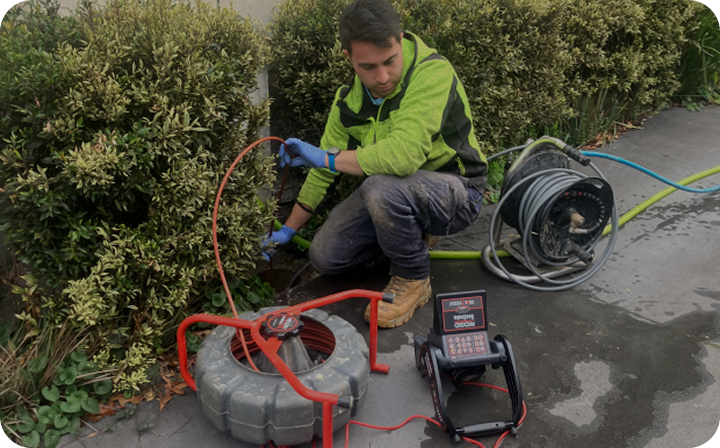
If we unclog your kitchen sink and there’s still a problem, it might be a sign of an issue further along in your sewer drains. In this case, we can feed a CCTV drain camera into your drain to get a clear picture of what’s causing the back up. Whatever the issue is, we can sort it out, using a range of effective drain fixing methods. Most of the time, we don’t need to dig up your drains, which is a bonus!

Have a kitchen drain that’s clogged? If you’re in the greater Melbourne area, we can help out. Contact us and we’ll attend to that blocked sink in your kitchen. We provide reactive blocked drain cleans, as well as preventative cleans, that keep your drains in good working order.





Yes! Here’s why.
Therefore it’s best to be mindful of what you put down your kitchen sink.
Avoid letting any of the following end up in your sink:
Not really. Despite reducing the size of items that go down your sink, this debris still ends up in the sewer pipes, where it binds together and eventually clog up the drains. It’s far better to compost your kitchen waste, and put fats and oils into a sealed jar to dispose of in your council waste collection.
You can clean a kitchen sink that isn’t already blocked. In fact, it’s recommended that you do regular cleans of your kitchen drain, using non-toxic products, which are the best choice for the environment. The best options are:
If you still notice a bad odour or clogging, you might want to clean out your Sink’s P-Trap / S-Trap. You can DIY this task, however it’s not super pleasant. Here are some tips on how to do it, without flooding your under sink area.
Remember, Drain Fixers can do all this for you if you’d rather avoid the task!