Blocked Sewer Drains Melbourne
Fix your broken pipes WITHOUT digging up your property
Book a free inspection today!

Fix your broken pipes WITHOUT digging up your property
Book a free inspection today!


Drain Fixers are here to sort out those common sewer issues in Melbourne. Our blocked drain specialists use the latest technology to identify what’s causing your blocked drain, then we promptly sort it out.
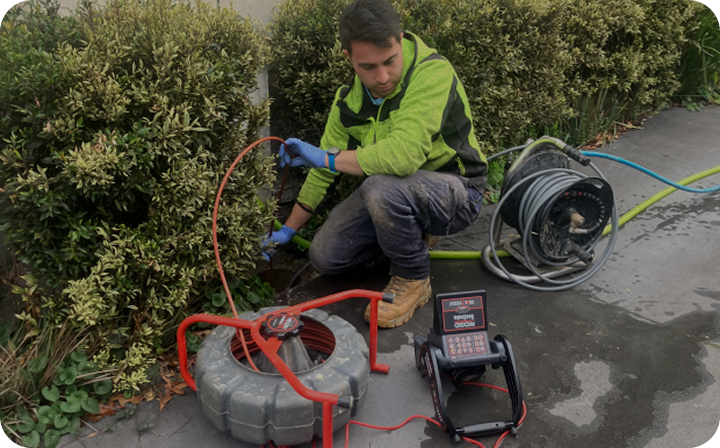
Not sure why your drain is blocked? Our blocked drain plumbers don’t waste time on guesswork. Instead, we feed a CCTV drain camera into your drain and find out exactly what’s going on. Whether it’s a collapsed pipe or a drain that’s damaged by a tree root, our footage will show us the real cause, so there’s no time wasted on the wrong treatment for your blocked drain. After all, fixing drains can be expensive and disruptive, so finding the genuine cause and rectifying the problem so that it doesn’t repeat is essential.
Once we’ve worked out what’s going on with your blocked drain, we advise you on the best approach for sorting out the issue, then get stuck into fixing your blocked sewer.



Blocked drains in Melbourne are a common occurrence. Their causes include:
Once our CCTV drain camera inspection identifies the cause of your sewer blockage, we move on to treatment. If it’s just a blockage issue, we thoroughly clean out your blocked drains using high-pressure hydro jet drain cleaning, or other appropriate methods. (Removing debris and fat in your drain regularly is a great way to maintain your drains and prevent larger-scale problems. It’s especially recommended for strata properties, in particular.)
Note that, unless we uncover actual damage to your sewer pipes, then we don’t need to do any digging whatsoever, which is great news, as excavation equals disruption.
If we do see an obstruction in your drain that the water blasting couldn’t remove, we’ll discuss with you the option of robotic cutting, which can cut through obstructions in your drain, like tree roots and other foreign objects.
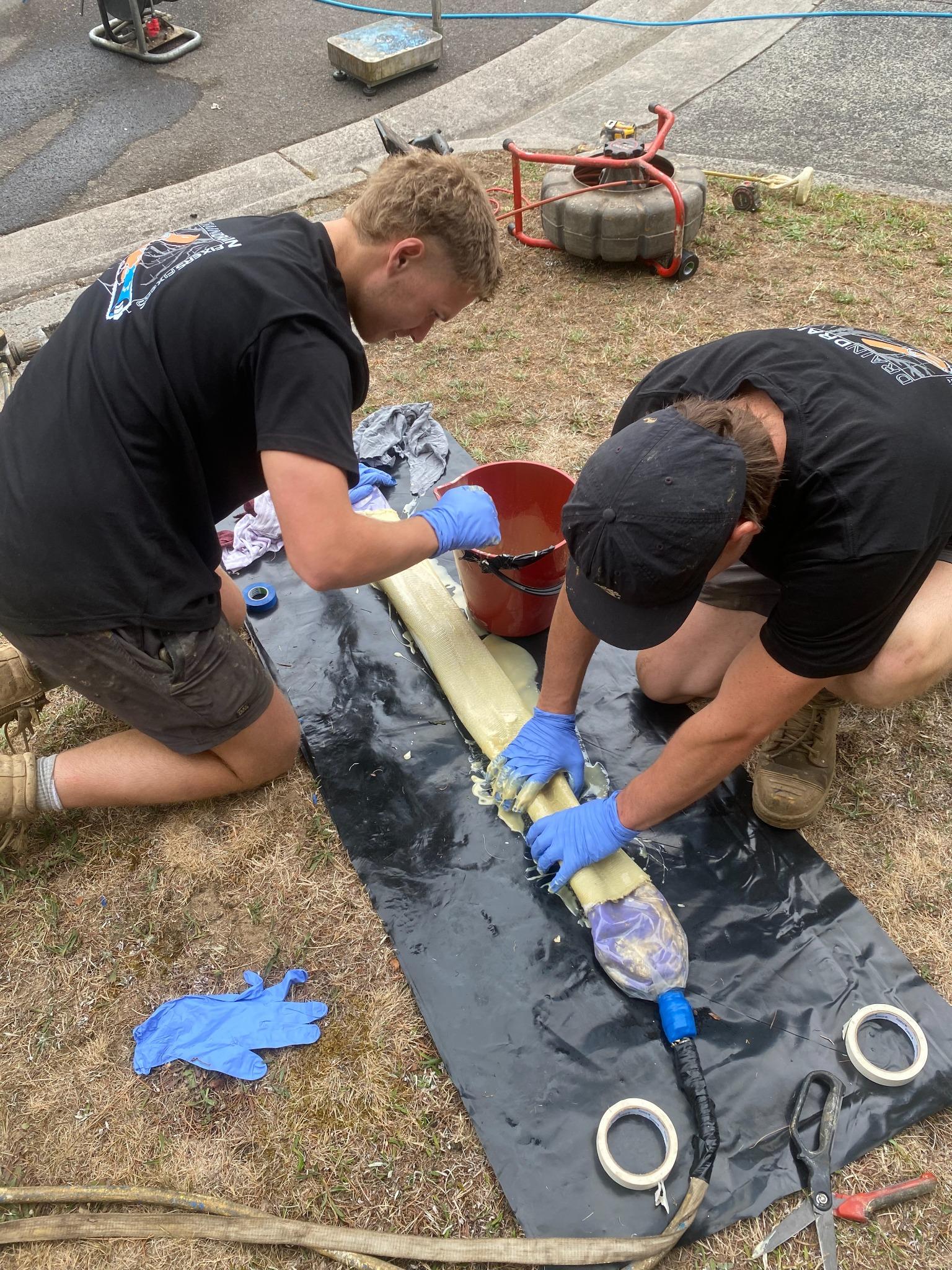
Alternatively, if the CCTV showed us a collapsed or damaged pipe, your drain might be repaired using pipe relining—a trenchless repair method that involves inserting and curing a new resin liner inside the old pipe to form a strong, long-lasting inner layer.
In a limited number of cases, drain replacement is the only viable option. If this is the case, we do our best to minimise the size of the dig area, using the knowledge we gain from our CCTV footage, and attacking the issue in the exact location.

Getting a blocked drain plumber in Melbourne to regularly clean your sewer pipes is worthwhile. Even if your drains aren’t blocked, regular cleaning helps prevent the build up of debris and grease, and can help pick up on any obstructions in the drain that may become a problem further down the track. Preventative drain cleaning can mean that bigger and more expensive work down the track is avoided. Add to that, sewer drain cleaning will extend the overall lifespan of your pipework, and reduce the risk of unexpected blockages, which can be really inconvenient, (not to mention, smelly).
How often should you book in a drain clean? Most Melbourne homes would benefit from a preventative sewer pipe clean every 18–24 months. For homes with aging clay pipes, large trees, or a history of blockages, an annual clean is ideal.





See ‘What’s Causing Your Sewer Blockage’ above.
The CCTV cameras travel all the way through your drains, and get a full 360° view of your sewer pipes. They can pinpoint the exact location of problems, so that fixes can be done in exactly those areas. Sometimes, there are multiple locations requiring repair, especially if the drains are ageing.
For regular homes, a clean every 18-24 months is wise.
If you live in a strata building, you should expect your strata managing agent will arrange annual drain cleans.
If you have a shared or connecting sewer line, or your drain feeds into your neighbour’s drain, (which is commonly the case in terraced or older homes), then a blockage on your side could impact their drain. In addition, if debris, grease, wipes etc. from your home ends up in the shared sewer line, they might experience the blockage at their end, whilst you might not.
Add to that, tree roots on or branching out from your property could be damaging the shared sewer line.
A CCTV drain inspection is the only way to be certain of what’s causing the blockage. Once the cause is identified, and it’s clear which property the blockage is located on, then you can start tackling the problem.
It’s best to take a cooperative approach with your neighbour. If you aren’t sure what to do, getting advice from your local council is recommended.
It depends where the blockage is located and whose pipes are impacted.
Note, your drain plumber is simply there to repair or unblock your drains. Issues around who is responsible for payment must be dealt with between neighbours, and with local council if required. So make sure you keep receipts of any drain clearing you pay for, so that you can sort it out with your neighbours/council. For back up material, Drain Fixers will of course provide a report that clearly shows where the drain problem is located, as well as a quote for how much repair work will cost.